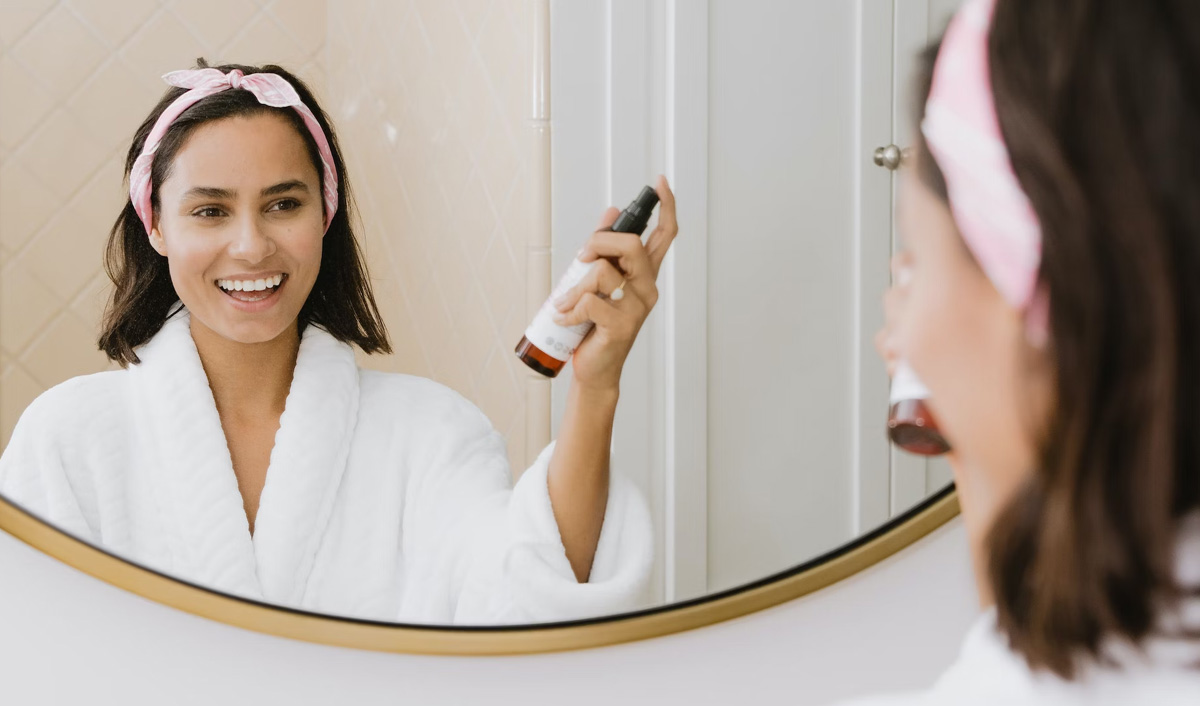
The cosmetic medicine landscape has undergone a revolutionary shift, moving decisively toward the philosophy of “Skin First.” This modern approach prioritizes optimizing fundamental skin quality, texture, and glow over simply achieving volume or masking deep lines. Ten years ago, the focus was often on maximizing dermal fillers for immediate correction; today, patients and practitioners seek natural, lasting results by prioritizing advanced treatments like skin hydrators and biostimulators to build the healthiest possible foundation. Discover what this paradigm shift means for your treatment journey and how the new “Skin First” approach defines contemporary anti-aging aesthetics.
The Evolving Role of Dermal Fillers: From “Filling” to “Foundation”
Dermal fillers, particularly those based on Hyaluronic Acid (HA), remain one of the most popular minimally invasive procedures globally.1 However, their role, application, and the client’s objective have undergone a profound transformation over the last ten years, directly reflecting the “Skin First” philosophy.
The primary shift is that the goal has moved from correcting severe, static problems with high-volume injections to preventing, supporting, and harmonizing features with less volume and more strategic product selection.
10 Years Ago (~2014): The Era of Volumization
Ten years ago, the patient priority for fillers was often about direct, visible augmentation and correction.
| ?? Client Priority in ~2014 | The Goal | The Outcome/Result |
| Masking Deep Folds | Primarily targeting Nasolabial Folds (smile lines) and Marionette Lines. | Often involved injecting the fold itself to “fill” it, sometimes leading to a heavy or “stuffed” appearance. |
| Achieving Volume | Aggressive volume replacement in the cheeks, and significant lip plumping for a dramatic, pillowy look. | The focus was on the size or depth correction, sometimes resulting in the infamous “overfilled syndrome.” |
| Correction | A treatment for people in their 40s+ looking to reverse clear signs of aging. | The approach was reactive, correcting what had already aged or sagged. |
In this period, the technology was largely focused on developing cross-linked HA gels that could hold their shape well, ideal for creating bulk volume and direct line correction.
Today (~2024/2025): The Era of Harmony and Regeneration
Today, dermal fillers sit in a strategic position—they are viewed as one component of a holistic treatment plan, secondary to, or in combination with, skin quality treatments.
| ? Client Priority Today | The Goal | The Outcome/Result |
| Structural Support | Prioritizing lifting the mid-face by injecting deep, high-G’ prime fillers near the bone to support the underlying ligaments and fat pads. | Lifting and Contouring, which indirectly soften folds without filling the fold itself. This is a more anatomical and natural approach. |
| Facial Harmonization | Strategic use of firmer fillers for defining the jawline and chin to create better balance, projection, and a sharper profile. | Enhancements are subtle, personalized, and designed to complement the individual’s natural facial structure (“less product, better placement”). |
| Skin Quality Enhancement | The rise of Biostimulators (like Sculptra or Radiesse) and Skin Hydrators (like Skinvive or Profhilo). | Products that not only fill but also stimulate the body’s own collagen over time, improving the skin’s thickness, texture, and glow. |
| Prevention | Younger clients (Gen Z, Millennials) are increasingly seeking “pre-juvenation”—small, strategic doses to maintain current volume and prevent future hollowing. | Maintenance appointments are more frequent but use smaller amounts, focusing on a consistently refreshed appearance. |
The New Order: Where Fillers Sit Now
Fillers have not decreased in popularity overall, but their purpose has been demoted from the singular solution to a foundational tool used in a more sophisticated way.
- #1 Neuromodulators (Botox/Dysport): These remain the most common procedure, primarily addressing dynamic lines and now widely used for prevention across all age groups.
- #2 Skin Quality Treatments (The “Skin First” Priority): Treatments like chemical peels, laser/RF resurfacing, microneedling, and the new category of Injectable Skin Hydrators and Biostimulators are often the first step, or are integrated early into the treatment plan.
- #3 Dermal Fillers (The Strategic Support): Fillers are now strategically applied for:
- Volume Loss Restoration: Replacing volume loss in areas like the temples or mid-cheek to support the eyes and lower face.2
- Contouring/Definition: Refining the jawline, chin, and nose for facial symmetry and structure.3
- Targeted Lip Enhancement: Moving from simply making lips bigger to improving hydration, shape, and balance with less volume.
In summary, 10 years ago, a client might have asked: “Can you fill this crease?” Today, the client is more likely to ask: “How can we improve my skin’s glow and give me subtle lift?”—with the injector then choosing between energy devices, skin hydrators, and strategically placed filler to achieve that harmonious result.